
What’s New on Romanian Motorways in 2026
Romania continues one of the largest road infrastructure modernization programs in its history in 2026. The country is investing huge amounts of money into new motorways and expressways, as transport had long been one of the weakest parts of its overall infrastructure.
For drivers, 2026 is especially interesting because some projects that had been discussed for many years are finally becoming visible in practice. At the same time, there are still major differences between modern motorway sections, and some parts of the country remain less connected.

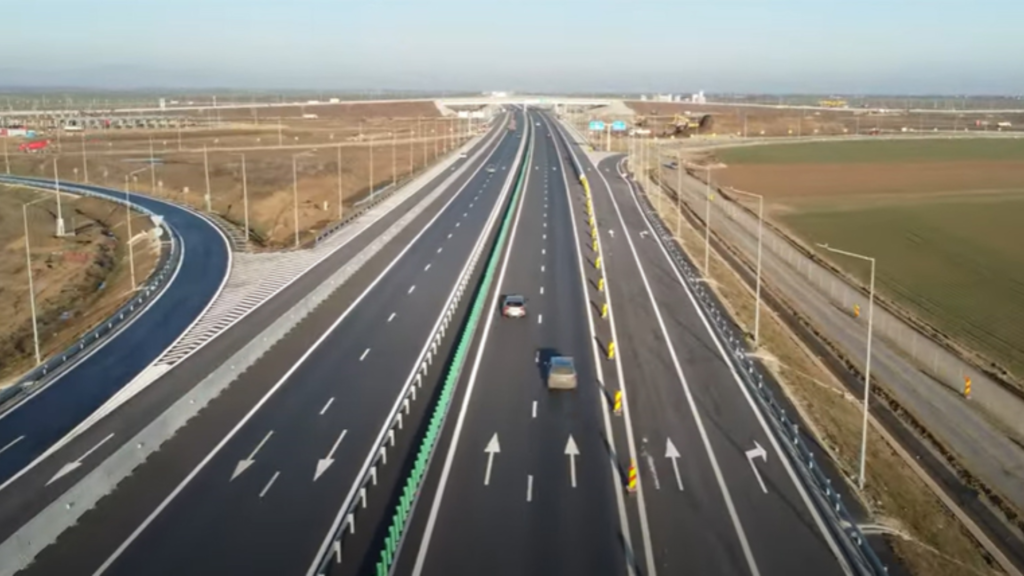
A7 Motorway: The Biggest Project in Romania Today
The most important motorway project in Romania in 2026 is undoubtedly the A7 motorway, which is intended to connect the south of the country with the Moldova region in the northeast.
This region had long been neglected in terms of transport infrastructure, and the new sections are expected to significantly improve connections:
- Between Bucharest and the northeastern part of the country
- Toward the Ukrainian border
- For both passenger and freight transport
In 2026, additional sections of the route continue opening, and the A7 is becoming a symbol of faster modernization of Romanian infrastructure.
Transylvania Motorway: A Project Built in Stages
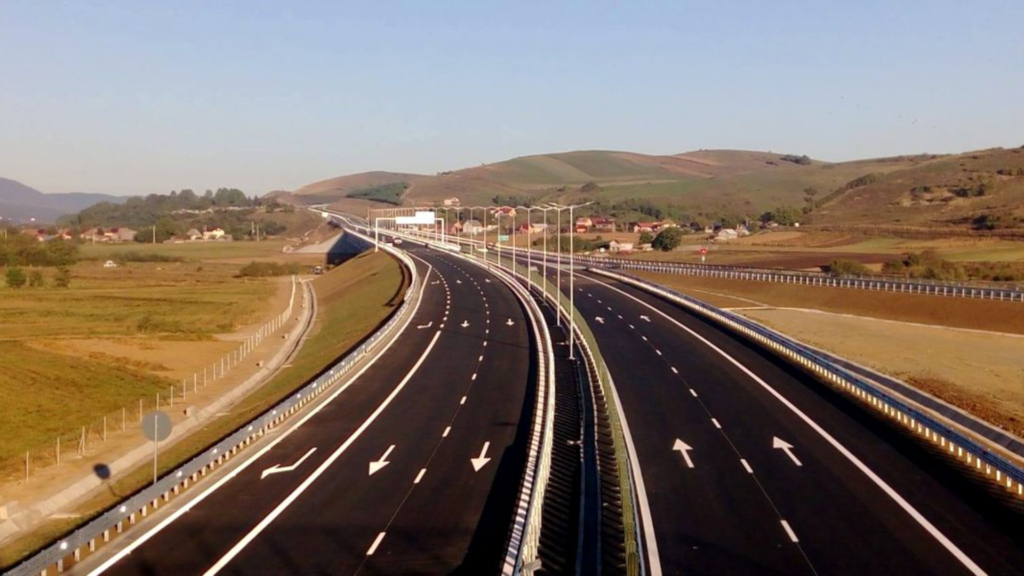
Another major topic remains the A3 motorway, known as the Transylvania Motorway. It is intended to connect Bucharest with the central part of the country and further toward Hungary.
However, even in 2026, the route still consists of separate sections that are not yet fully connected. Some parts already function very well, while others are still under construction.
This combination of modern motorway sections and unfinished parts remains typical for Romania.
Bucharest and the New Ring Road Around the City
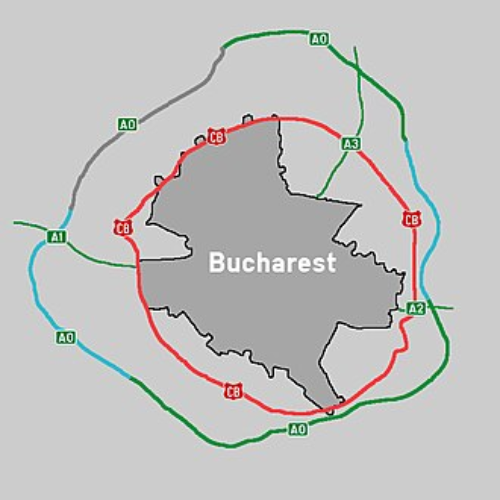
One of the biggest changes in recent years is the ongoing construction of the new A0 motorway ring road around Bucharest. The capital had long suffered from heavy traffic, and the old bypass was no longer sufficient in terms of capacity.
In 2026, additional sections of the ring road are opening, which should:
- Reduce traffic in the city center
- Speed up transport
- Improve connections between individual motorways
For drivers, this is especially important during longer journeys across Romania, because passing through Bucharest used to be one of the country’s biggest traffic problems.
Romania Continues Catching Up with Western Europe
On the main routes, it is clearly visible that Romania is changing rapidly. New motorway sections feel modern, and their quality is often approaching Western European standards.
At the same time, there are still areas where:
- Motorways are completely missing
- Traffic passes through smaller towns
- Journeys take much longer than maps suggest
The difference between modern and older parts of the infrastructure therefore remains very noticeable in Romania.
The Carpathians Remain the Biggest Obstacle
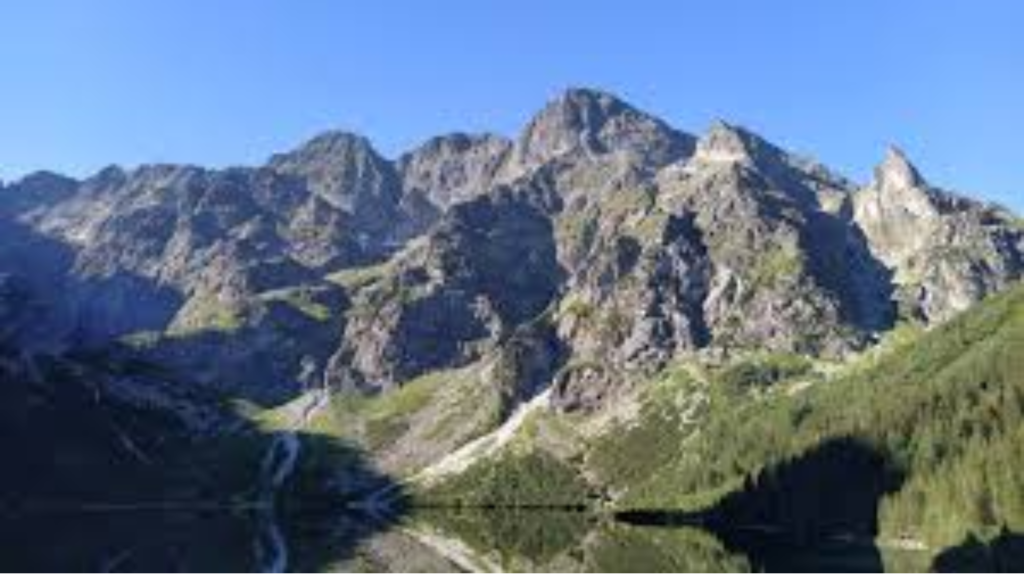
One of the main reasons construction is progressing more slowly is the difficult terrain in the Carpathian Mountains. Tunnels, bridges, and mountain sections significantly increase costs and slow down new projects.
This is especially visible on routes intended to connect:
- Transylvania
- Bucharest
- The western part of the country
Mountain sections remain the most technically demanding part of Romania’s entire infrastructure.
Truck Traffic Is Increasing Significantly
Romania is becoming an increasingly important country for transport between Central Europe, the Balkans, and the Black Sea. As a result, there are noticeably more trucks on major routes in 2026 than before.
This is most visible:
- Around Bucharest
- On routes toward Hungary
- Around the port of Constanța
The growing traffic is also increasing pressure for faster completion of new motorways.